Executive Desks That Define the Modern OfficeExecutive Desks That Define the Modern Office
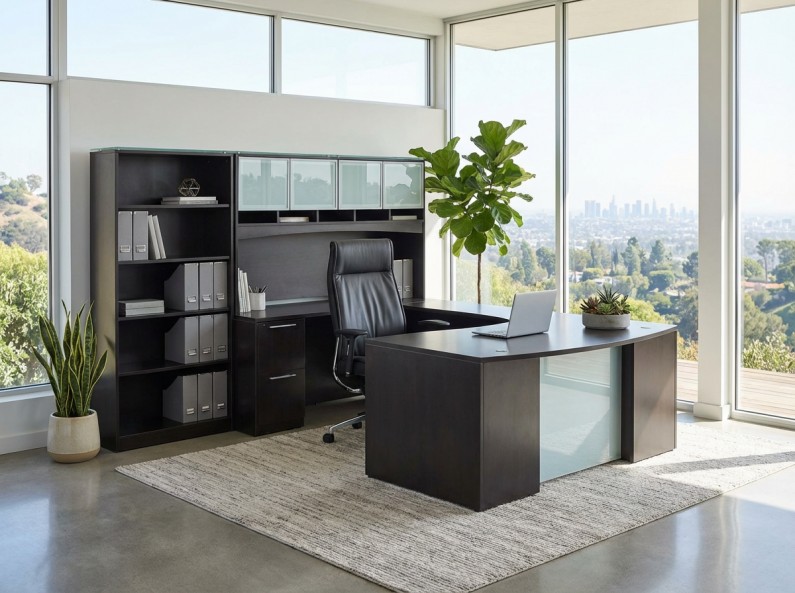
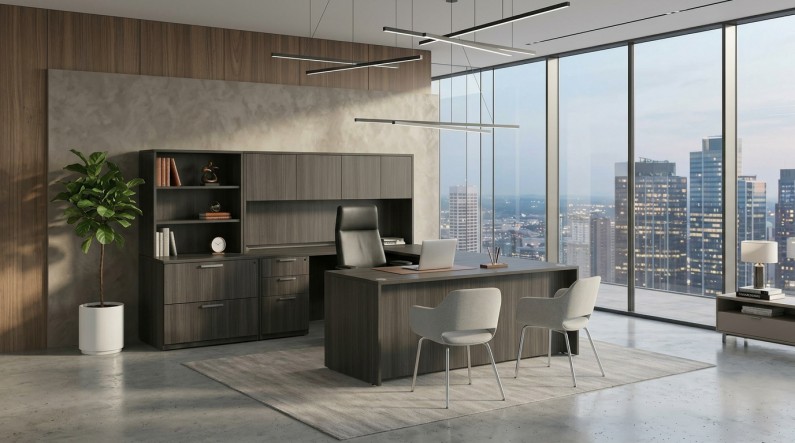
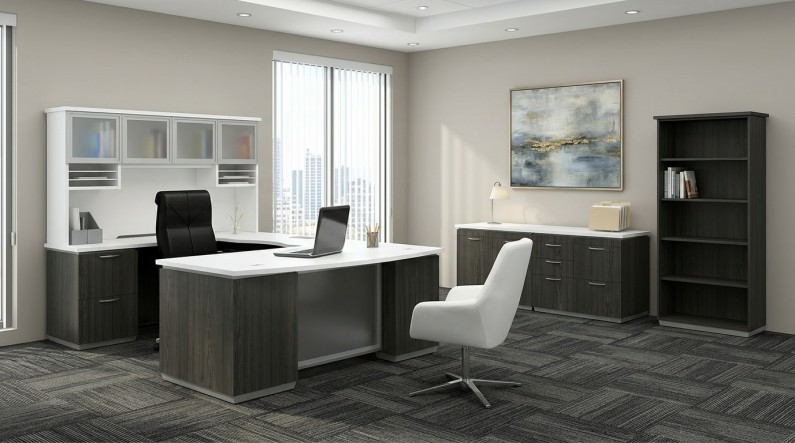
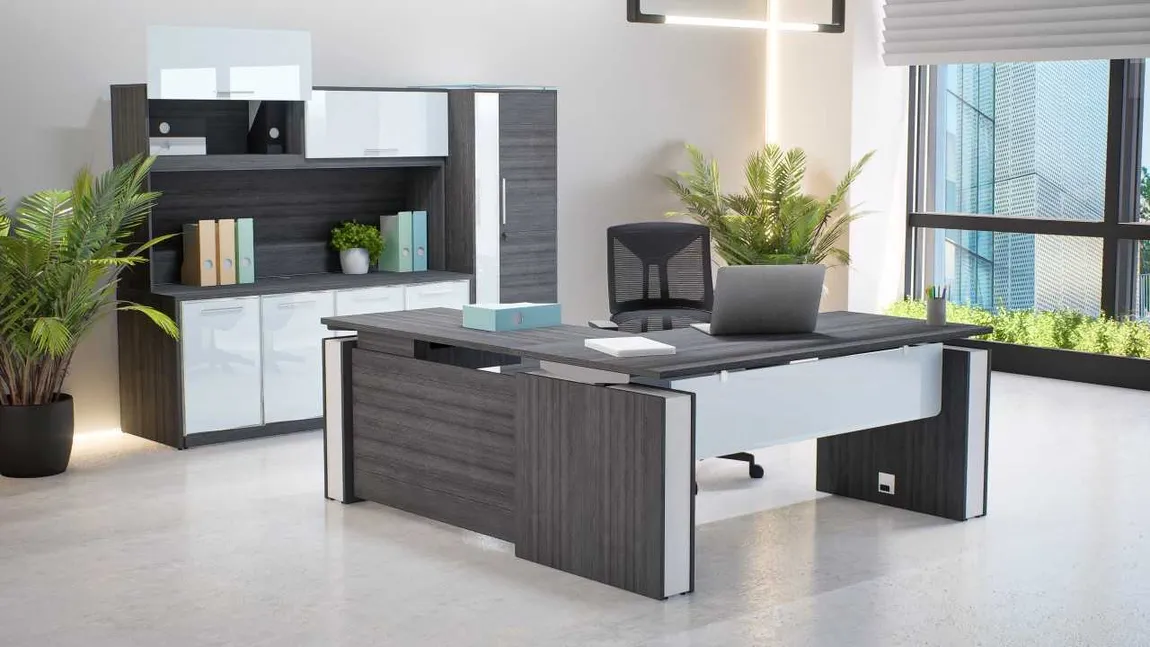
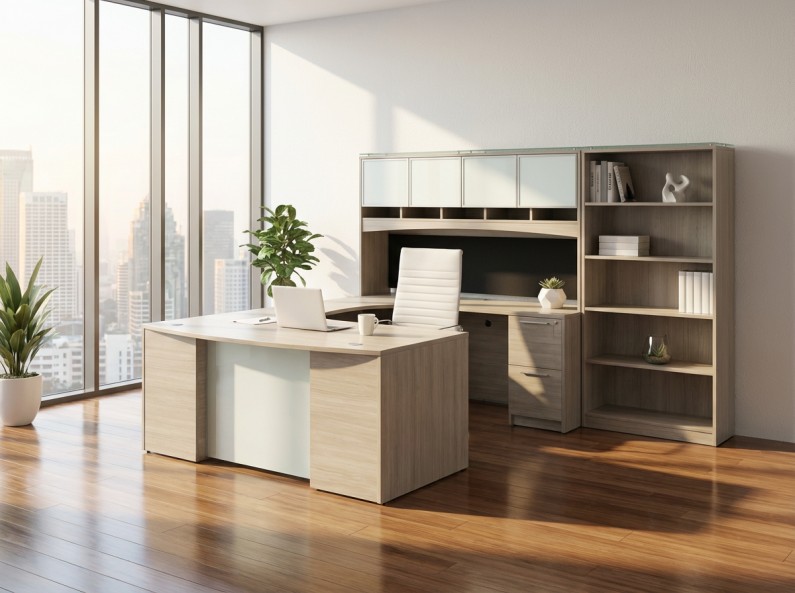
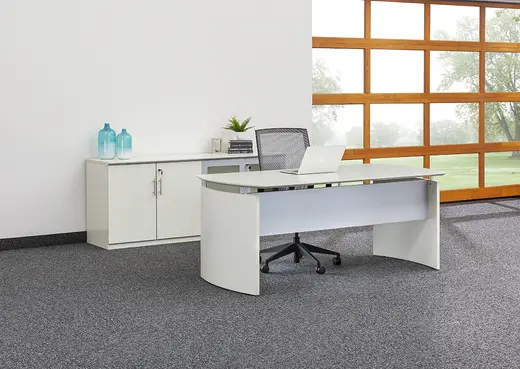
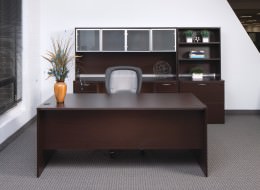
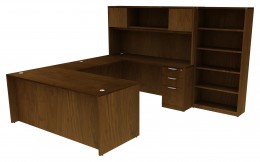
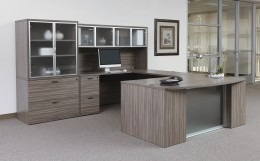
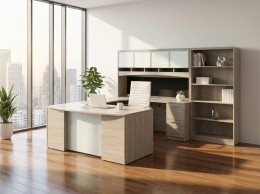
In many offices, the contrast between a standard workspace and a management office is immediately noticeable. It goes beyond square footage—how the space is arranged, how it functions, and the presence it establishes for those who enter all contribute to that distinction. There is a clear shift from a purely functional workspace to one that reflects decision-making and authority. Spaces dedicated to leadership tend to be more deliberate. Layout, materials, and furniture choices work together to create a sense of structure and clarity. Even small details, such as how an executive desk is positioned or how much surface space it commands, influence how the room is perceived. Within that environment, one piece consistently defines the room: the desk. More than a place to work, it serves as both a functional hub and a visual anchor, shaping how the entire office is experienced. In many ways, the executive office becomes an extension of the person who occupies it—and the role they represent. Because of that role, the selection of an executive desk becomes more than a design decision; it is a functional choice that impacts how the space is used on a daily basis. The size, layout, and features of the desk influence workflow, organization, and interaction within the office, making it one of the most important elements to consider when planning a leadership workspace. What Defines an Executive Desk What makes an executive desk stand apart from a standard desk goes beyond size. While scale does play a role, the differences become more apparent in how the desk functions within the space and how it’s perceived within the room. Executive desks are designed with presence in mind. They typically feature larger work surfaces, more substantial construction, and integrated storage that eliminates the need for additional pieces. Instead of blending into the background, they serve as a focal point within the office. Materials and detailing further reinforce that distinction. Whether through wood finishes, metal accents, or glass elements, the overall design reflects durability and long-term performance. The result is a desk that not only supports daily work but also elevates the space it occupies, setting it apart from a standard workstation. When these elements are considered together, the executive desk becomes a central part of how the office operates. It supports a higher level of daily activity while establishing a clear sense of structure within the space. Rather than serving a single function, it is designed to accommodate multiple tasks at once, reinforcing both efficiency and the overall presence of the workspace. Size and Spatial Impact Scale plays a more practical role when considering how an executive desk sits within a space. These desks are typically designed with a larger footprint, not simply for visual impact, but to support a wider range of daily tasks—allowing multiple activities to take place at once without feeling constrained. In many executive offices, the desk is positioned to face the room rather than a wall, creating a more open and accessible layout. This alignment allows for direct interaction, whether it’s a quick conversation or a seated discussion across the desk. The additional surface area also supports multiple functions while providing space for small meetings without the need to constantly rearrange the room. Over time, the desk becomes a central point of activity, naturally organizing how the space is used. Build QualityMaterials play a defining role in how an executive desk is both perceived and used over time. While appearance is part of the equation, the underlying construction determines how well the desk holds up under daily use. Traditional executive desks were often constructed from natural wood, while many modern designs incorporate laminate or veneer. Each option offers a different balance of durability, cost, and visual depth, but all contribute to a more substantial presence compared to standard office desks. Accents in metal or glass are often introduced to complement the primary material, adding contrast without overwhelming the design. These elements can shift the overall feel of the desk, leaning more traditional or more modern depending on how they’re applied. Over time, these material choices influence not just how the desk looks, but how it performs—supporting consistent use while maintaining a professional appearance. Storage and Functionality Day to day, an executive desk is expected to support a high level of activity. Many designs incorporate built-in storage at the desk level, allowing essential materials to remain close at hand throughout the workday. This integration makes it easier to keep frequently used items organized without interrupting workflow. Documents, supplies, and personal items can be stored efficiently while the main surface stays clear and usable. The result is a space that supports a higher volume of work without feeling crowded. Rather than relying on additional cabinets or storage units, the desk itself provides the structure needed to maintain organization over the course of the day. Over time, this level of integrated storage helps establish more consistent organization habits within the workspace. When materials have a designated place at the desk level, it reduces the need to search for items or interrupt tasks to access external storage. This consistency supports a more efficient workflow and helps maintain a clean, functional environment throughout the workday. Aesthetics and Brand ExpressionLooking beyond functionality, the executive desk is often designed to reflect the role of the person who uses it. In many cases, it’s one of the first elements noticed when entering an office, setting the tone for the rest of the environment. More traditional designs, often featuring heavier construction and darker finishes, tend to communicate stability and formality. In contrast, modern executive desks with cleaner lines and lighter materials can create a more open, forward-looking impression. The style of the desk often aligns with how a company presents itself—whether that’s established and structured or adaptable and contemporary. Over time, the desk becomes part of that identity, reinforcing how leadership and the organization are perceived by others. Modern Office Trends Executive office design has shifted in recent years, reflecting broader changes in how work gets done. While traditional styles still have a place, many modern executive desks are moving toward cleaner lines, updated materials, and more efficient use of space. There is also a greater emphasis on integration with technology. Power access, cable management, and device compatibility are no longer optional upgrades, but expected features that influence how desks are designed and used. At the same time, executive spaces are becoming more flexible. Offices are no longer used for a single purpose, and desks are expected to support a range of activities without constant adjustment. The result is a design approach that balances presence with practicality. Executive desks are more than just larger work surfaces—they play a central role in how leadership spaces function and how they’re perceived. From materials and layout to storage and design, each element contributes to a workspace that supports both daily responsibilities and long-term use. Choosing the right executive office desk means considering how the space will be used over time, not just how it looks on day one. When scale, functionality, and design are aligned, the result is an office that works more efficiently and presents a clear sense of purpose. For businesses planning or updating executive spaces, taking the time to evaluate available executive office desk styles, configurations, and supporting furniture can help create a more cohesive and effective environment.
More From This Author |