How to Design a Home Office That Actually WorksHow to Design a Home Office That Actually Works
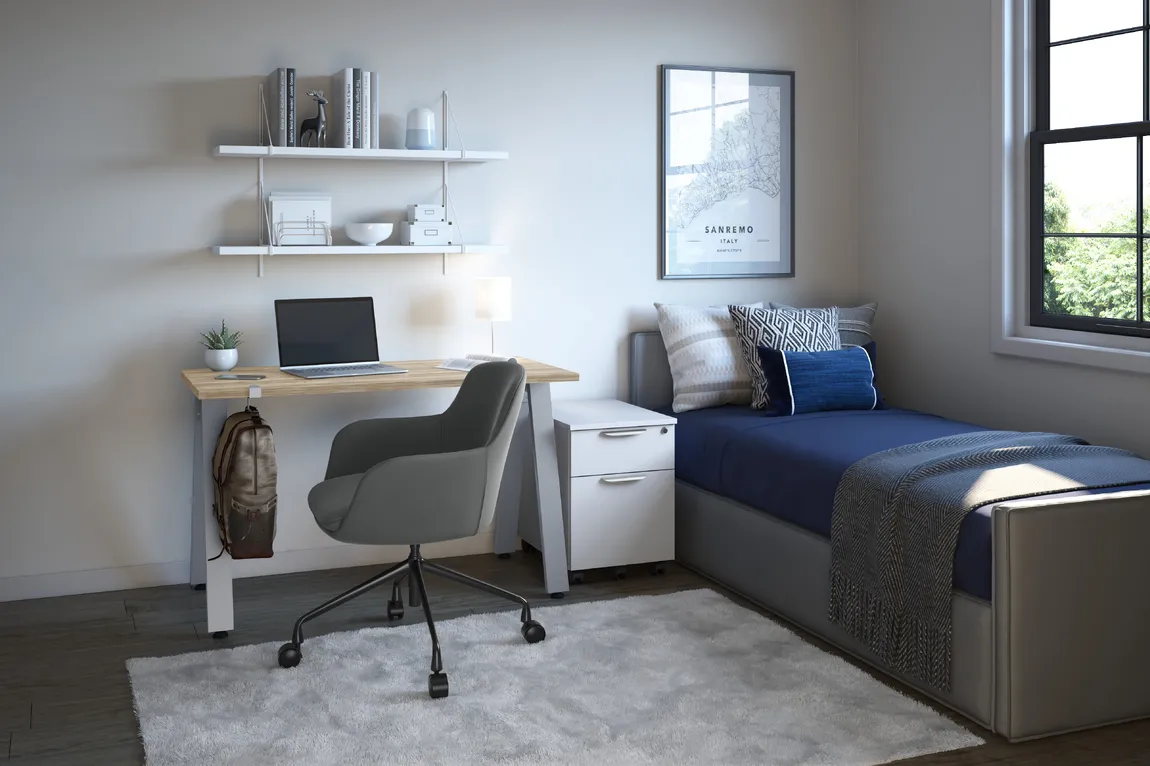
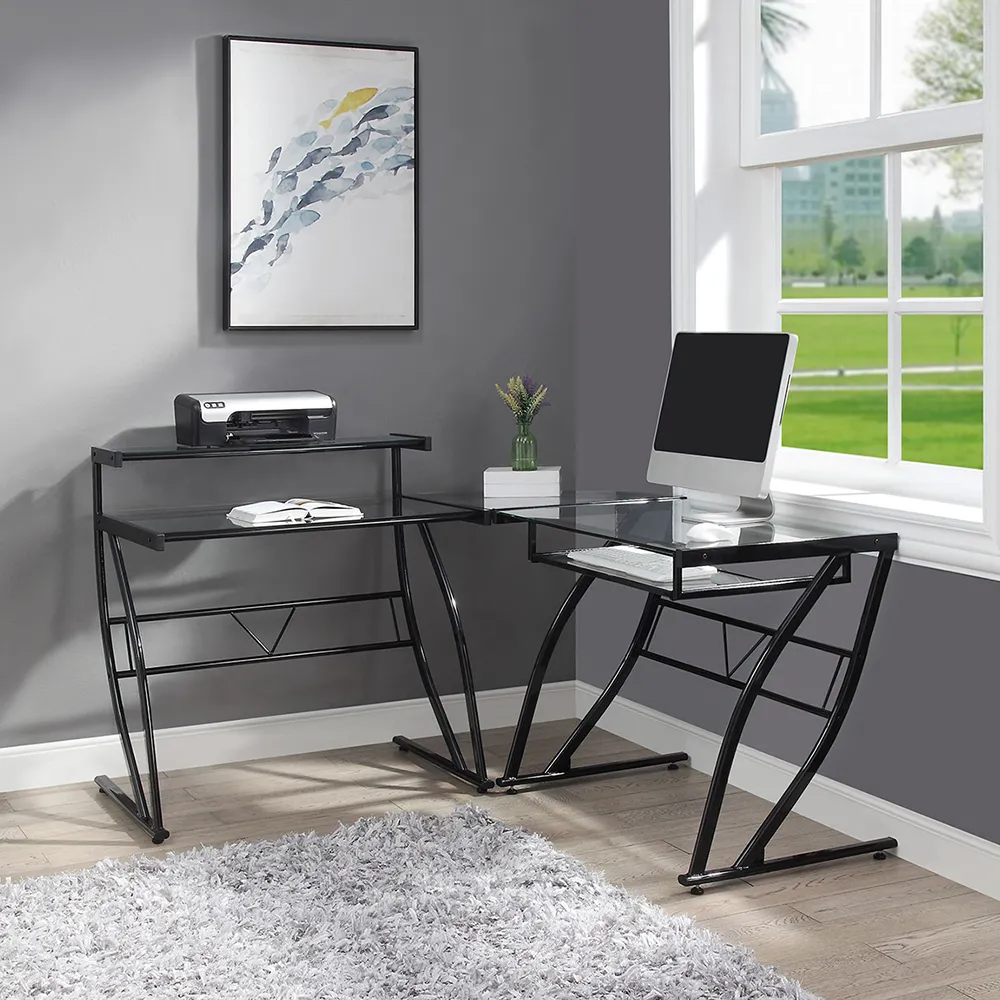
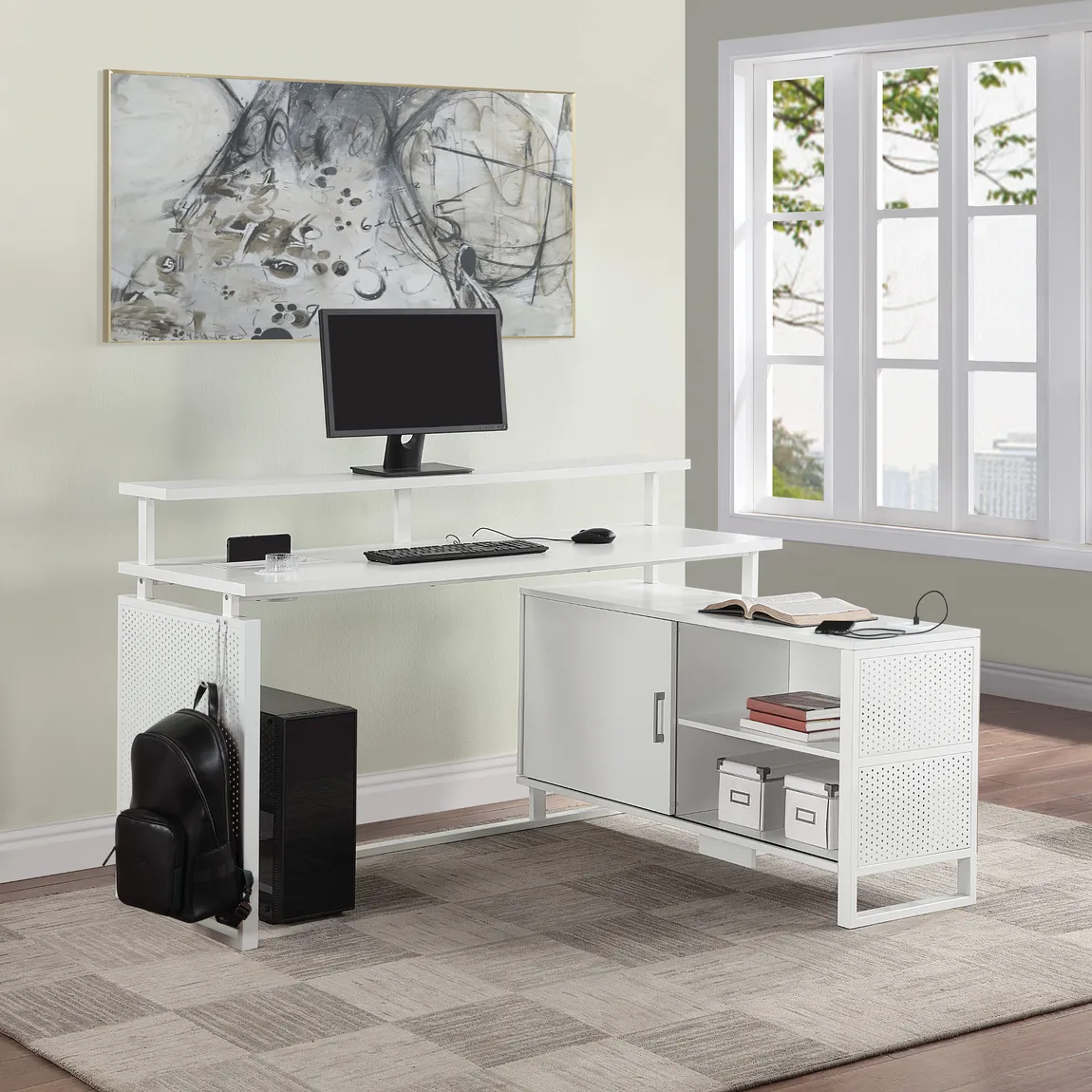
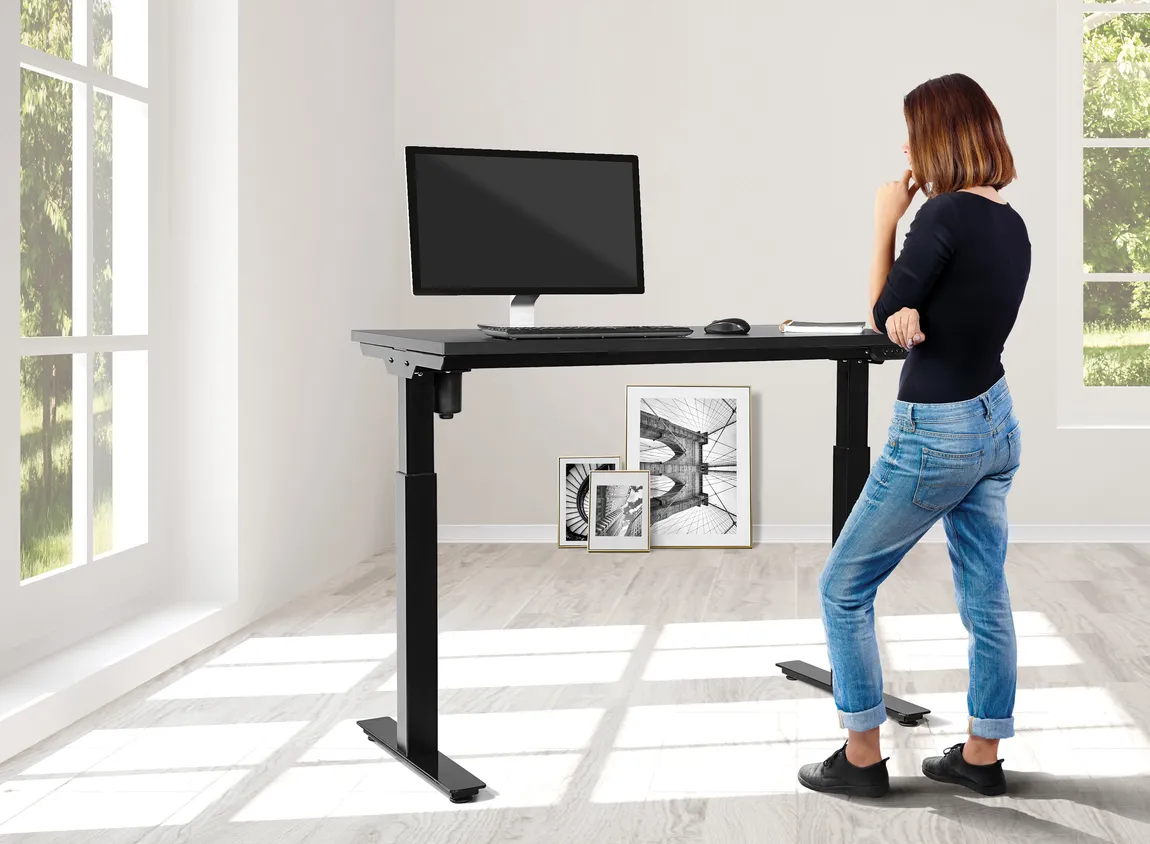
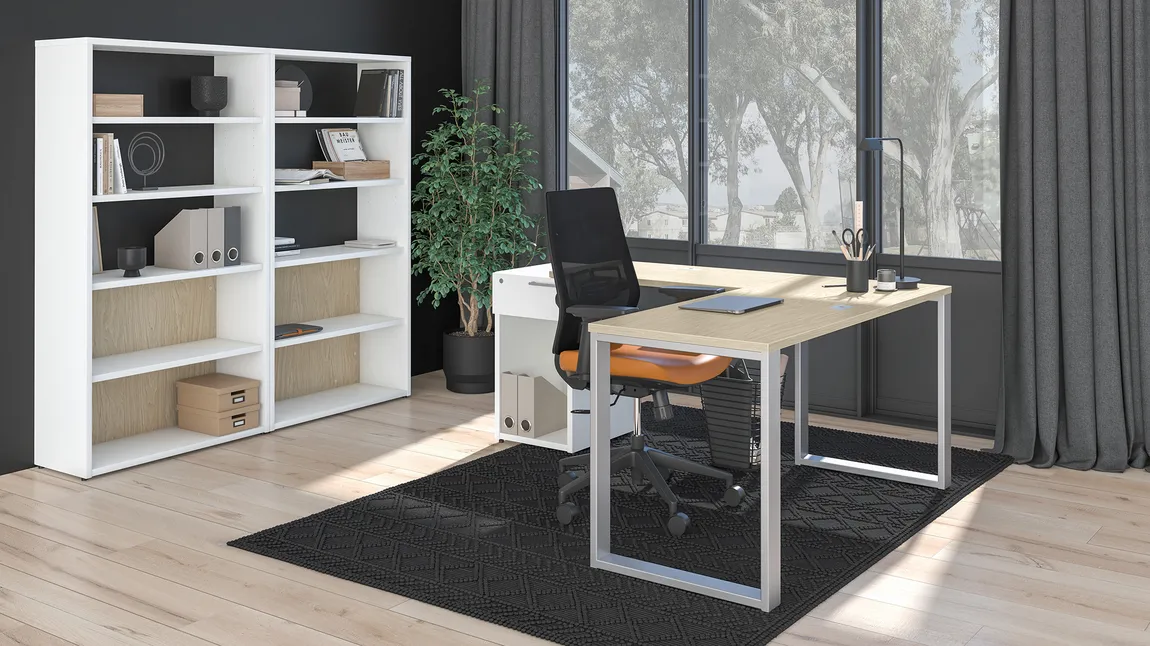
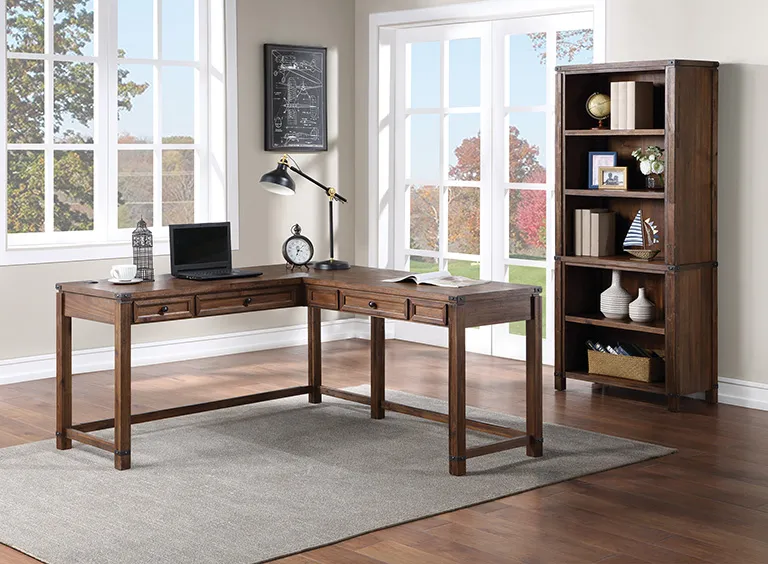
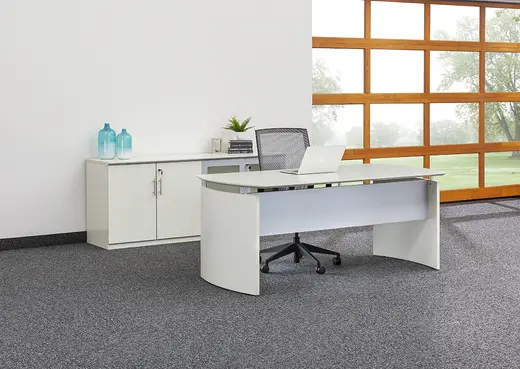
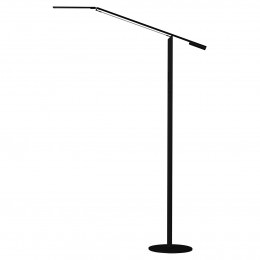
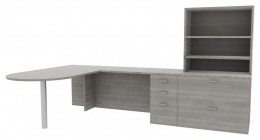
An effective home office is built around function, comfort, organization, and long-term usability—not just aesthetics. Home offices have become a permanent part of how many people work, whether supporting full-time remote schedules or more flexible hybrid routines. As these spaces take on a larger role in daily productivity, the way they are designed has become increasingly important. A workspace that feels comfortable, organized, and functional can make daily tasks easier to manage consistently throughout the day. At the same time, many home office setups are created around available space rather than long-term usability. Desks may be placed wherever room allows, storage is often limited, and lighting or ergonomics can become secondary considerations. Over time, these small compromises can affect focus, organization, and overall workflow during daily use. Designing a home office that works effectively requires more than simply adding a desk to a room. Layout, lighting, storage, and furniture selection all contribute to how the workspace functions during extended work sessions. By approaching these elements intentionally, it becomes easier to create a home office that supports productivity while still fitting naturally within the home. Start With the Right Desk Placement Desk placement plays a central role in how a home office functions daily. A workspace that feels cramped, disconnected from the room, or positioned in a high-traffic area can make it more difficult to stay organized and focused throughout the workday. Even in smaller home offices, thoughtful placement helps improve movement, visibility, and overall comfort within the space. Natural lighting is also an important consideration when positioning a desk. Placing a workspace near a window can help brighten the room and reduce reliance on overhead lighting during the day, but monitor placement still matters. Screens positioned directly in front of bright windows can create glare, while poor lighting angles may contribute to visual strain over time. Balancing natural and artificial lighting helps create a more comfortable working environment. Desk placement can also help create separation between work and personal space, particularly in multi-purpose rooms or open living areas. Positioning the desk to establish a more defined work zone can make the office feel more intentional rather than temporary. Even small layout adjustments can improve how the room functions while making the workspace feel more organized and functional. Prioritize Storage and Organization Organization plays a major role in how effectively a home office functions through daily use. Desks that become overcrowded with documents, accessories, and cables can quickly reduce usable workspace and make it more difficult to stay focused. Even in smaller home offices, maintaining clear surfaces and accessible storage helps create a more manageable and efficient working environment. Built-in storage solutions can help simplify organization without requiring additional furniture throughout the room. Desks with integrated drawers, mobile storage, or compact shelving allow frequently used items to remain accessible while keeping the main work surface clear. This approach is especially useful in home offices where space is limited, and every piece of furniture needs to serve a practical purpose. Long-term organization also depends on maintaining layouts that are easy to manage over time. Cable management, accessible storage placement, and simplified desk arrangements all contribute to a workspace that remains functional as daily routines evolve. When organization is built into the layout from the beginning, it becomes easier to maintain a cleaner and more productive home office over time. Lighting Affects Focus More Than People Realize Lighting plays a significant role in how relaxed and functional a home office feels while working. Workspaces that are too dim, unevenly lit, or heavily dependent on overhead lighting can make it more difficult to work comfortably during extended periods of time. In many cases, lighting affects visibility and overall workspace usability just as much as furniture placement or organization. Natural light can help create a more open and functional working environment, particularly when desks are positioned near windows. However, balance is still important. Excessive sunlight can create monitor glare or uneven brightness throughout the room, while poorly positioned artificial lighting may leave portions of the workspace difficult to see clearly. Combining natural light with task lighting or softer ambient lighting often creates a more consistent and manageable lighting environment during the workday. Maintaining consistent lighting across the workspace also helps support long-term comfort and usability. Reducing harsh contrasts between screens and surrounding light sources can make the workspace feel easier to use over longer periods of work. Thoughtful lighting choices help create a home office that remains visually comfortable while supporting everyday productivity and organization. Ergonomics Support Long-Term Productivity Comfort becomes increasingly important as home offices are used more consistently throughout the week. Workspaces that require awkward reaching, poor monitor positioning, or unsupported seating can become more difficult to use comfortably throughout longer work sessions. Even small ergonomic adjustments can improve how the workspace feels and functions during the workday. Desk height and monitor placement both play an important role in maintaining a more comfortable working position. Monitors positioned too high, too low, or too close to the user may create unnecessary strain during long periods of computer use. Positioning monitors at a more natural viewing height while maintaining keyboards and desk surfaces within reach helps create a workspace that feels easier to use over time. Supportive seating and regular movement also contribute to a more sustainable home office setup. Adjustable office chairs, usable arm support, and the ability to shift positions as needed all help improve overall comfort during longer work sessions. Creating a workspace that supports movement and positional changes makes it easier to maintain consistent productivity over time. Choose Furniture That Fits the Space Furniture selection has a major impact on how a home office functions and feels throughout the workday. Desks or storage systems that are too large for the room can restrict movement, reduce usable space, and make the office feel visually crowded. In smaller home offices, choosing furniture with proportions that fit the room often creates a more functional and efficient working environment. This is especially important in apartments, guest rooms, and multi-purpose spaces where home offices need to integrate naturally into the surrounding environment. Compact desk systems and simplified storage solutions often provide greater flexibility without sacrificing everyday usability. Many modern home office furniture collections are designed around this balance, offering workspace solutions that support productivity while maintaining a lighter residential footprint. At the same time, furniture should still support the practical demands of daily work. Usable surface space, accessible storage, and comfortable layouts all contribute to a workspace that remains functional over time. By selecting furniture that balances simplicity, organization, and scale, it becomes easier to create a home office that supports both productivity and long-term comfort within the home. Build a Workspace That Supports Daily WorkAn effective home office is shaped by how well the space supports daily routines over time. Layout, lighting, organization, and ergonomics all contribute to a workspace that feels easier to use consistently throughout the week. When these elements work together, home offices become easier to maintain, more functional to use, and better suited for consistent daily work. Even small adjustments can improve how a workspace performs day to day. Thoughtful desk placement, accessible storage, balanced lighting, and furniture that fits the room appropriately all help create an environment that supports focus and long-term usability. Designing around these practical considerations makes it easier to maintain a home office that continues working effectively as routines evolve. Explore home office desks, storage solutions, and workspace accessories at Madison Liquidators to create a home office designed for comfort, organization, and everyday productivity.
More From This Author |